
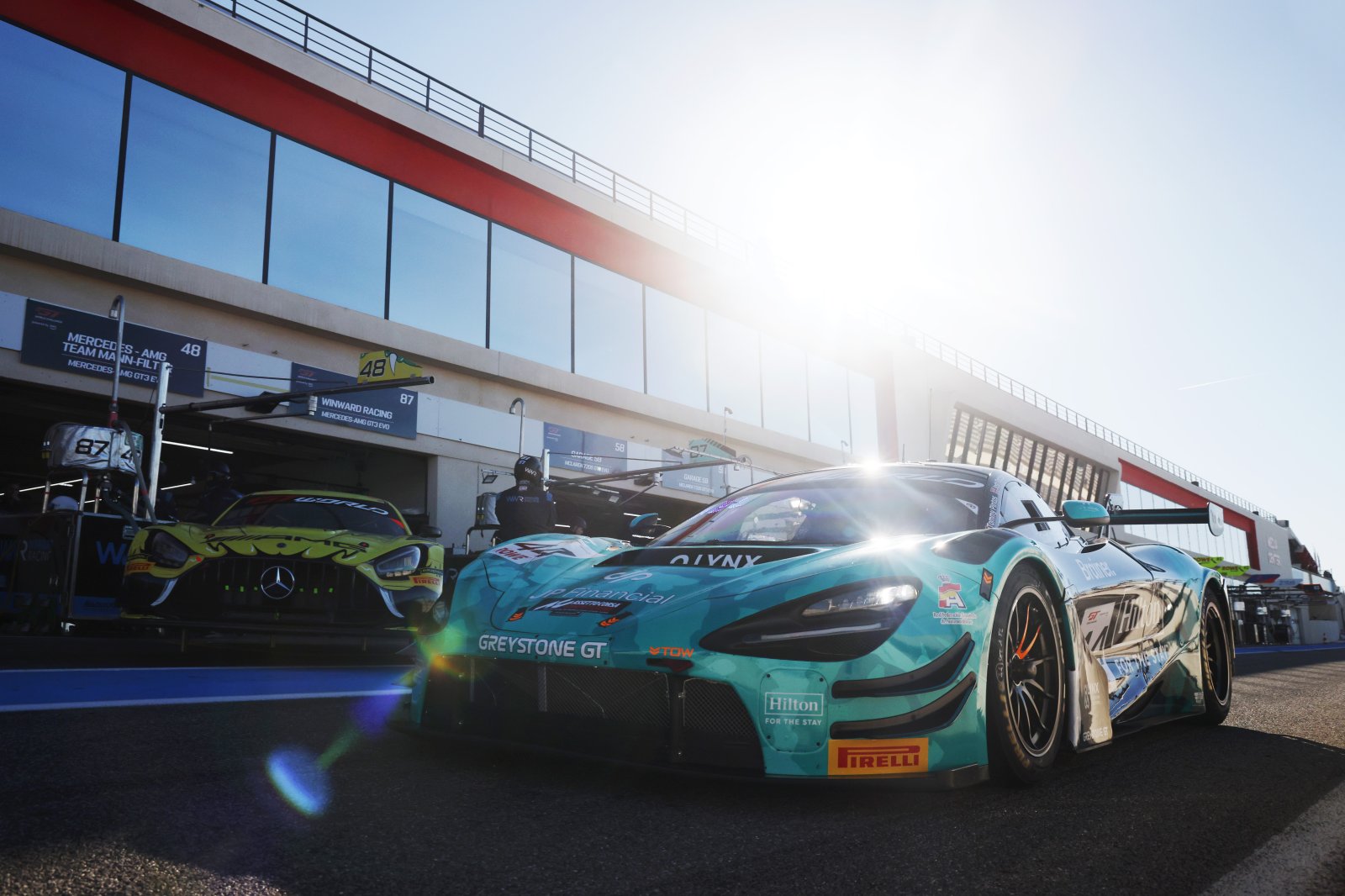
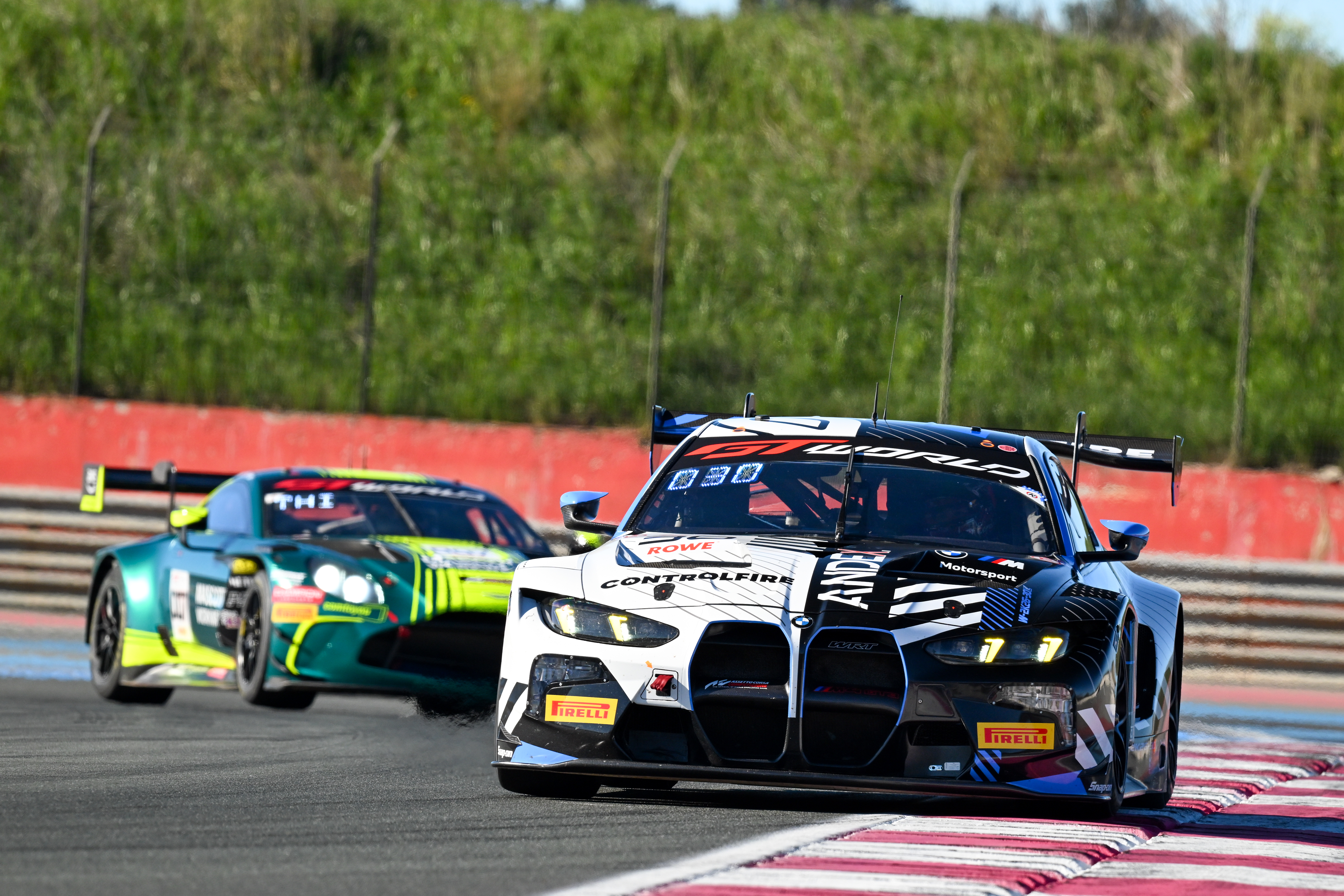
The 2026 GT World Challenge powered by AWS season has arrived. The action gets underway this weekend at Circuit Paul Ricard, with a six-hour race scheduled to run from 18:00 to midnight on Saturday.
As ever, there have been a few changes during the off-season. Here's what's new heading into the 2026 opener.
More than 30 rookies (including some familiar names)
Every season brings a raft of new drivers. This year's crop sees well over 30 newcomers, including some exciting young talents. Those making the step up include FIA F3 race winner Tim Tramnitz (#998 ROWE Racing BMW); former GT4 European Series champion Josh Rattican; and SRO GT Academy winner Gaspard Simon (#35 Walkenhorst Motorsport Aston Martin).
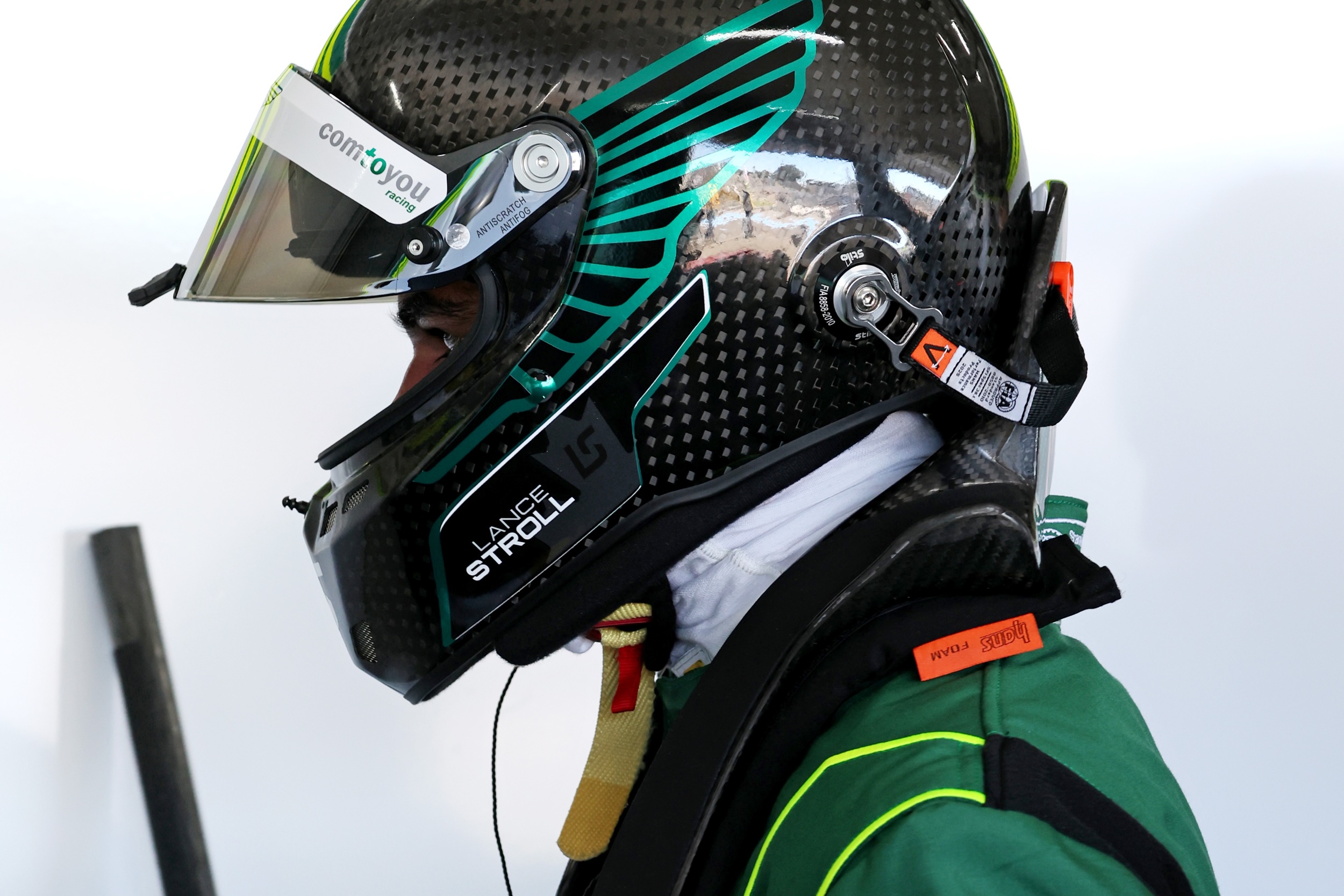
At the other end of the career spectrum, long-time F1 driver Lance Stroll will make his first GT World Challenge start, taking the wheel of the #18 Comtoyou Racing Aston Martin. He will share with two more rookies: former grand prix racer Roberto Merhi, and Aston Martin F1 Academy driver Mari Boya.
A brand-new car (and plenty of upgrades)
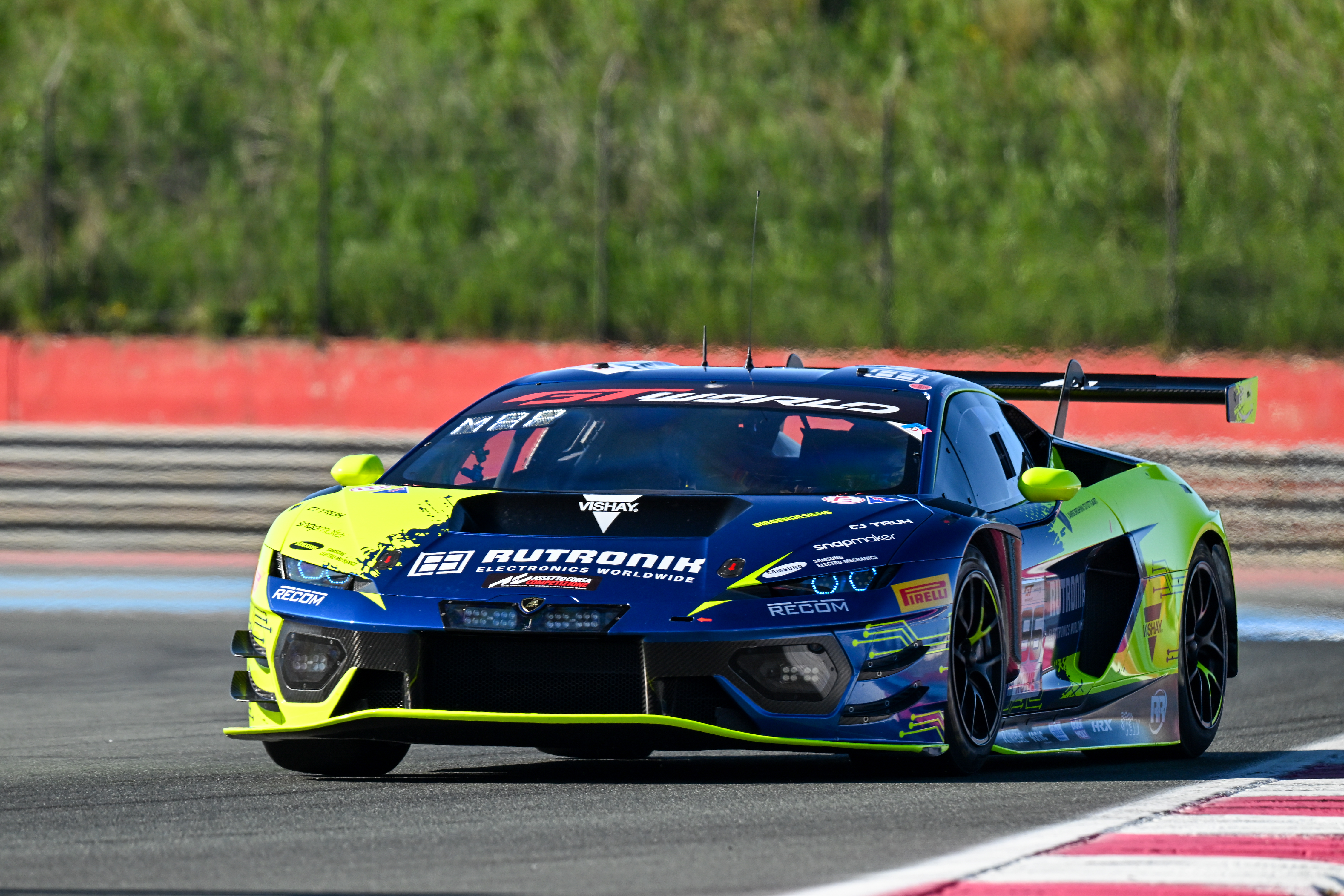
Motorsport is a game of constant evolution. This year we'll see new machinery from Lamborghini – which has introduced the Temerario GT3 – as well as upgrades to a number of other cars.
The Temerario is a brand-new model. It replaces the legendary Huracán, which won every major GT World Challenge honour between 2015 and 2025. It's powered by a V8 engine – replacing the V10 used by its predecessor – and will be run by Rutronik Racing and TGI Team by GRT.
Though the models are unchanged, the Ferrari 296 and Porsche 911 have received a raft of improvements, with both now carrying the EVO designation. The Ford Mustang has also been upgraded, focussing specifically on the car's engine.
A tweaked Endurance Cup qualifying format
The GT World Challenge grid has grown in recent years. That's good news for fans, but it can sometimes lead to serious congestion during qualifying. Split sessions were introduced for the Sprint Cup last year and this will now be expanded to the Endurance Cup.
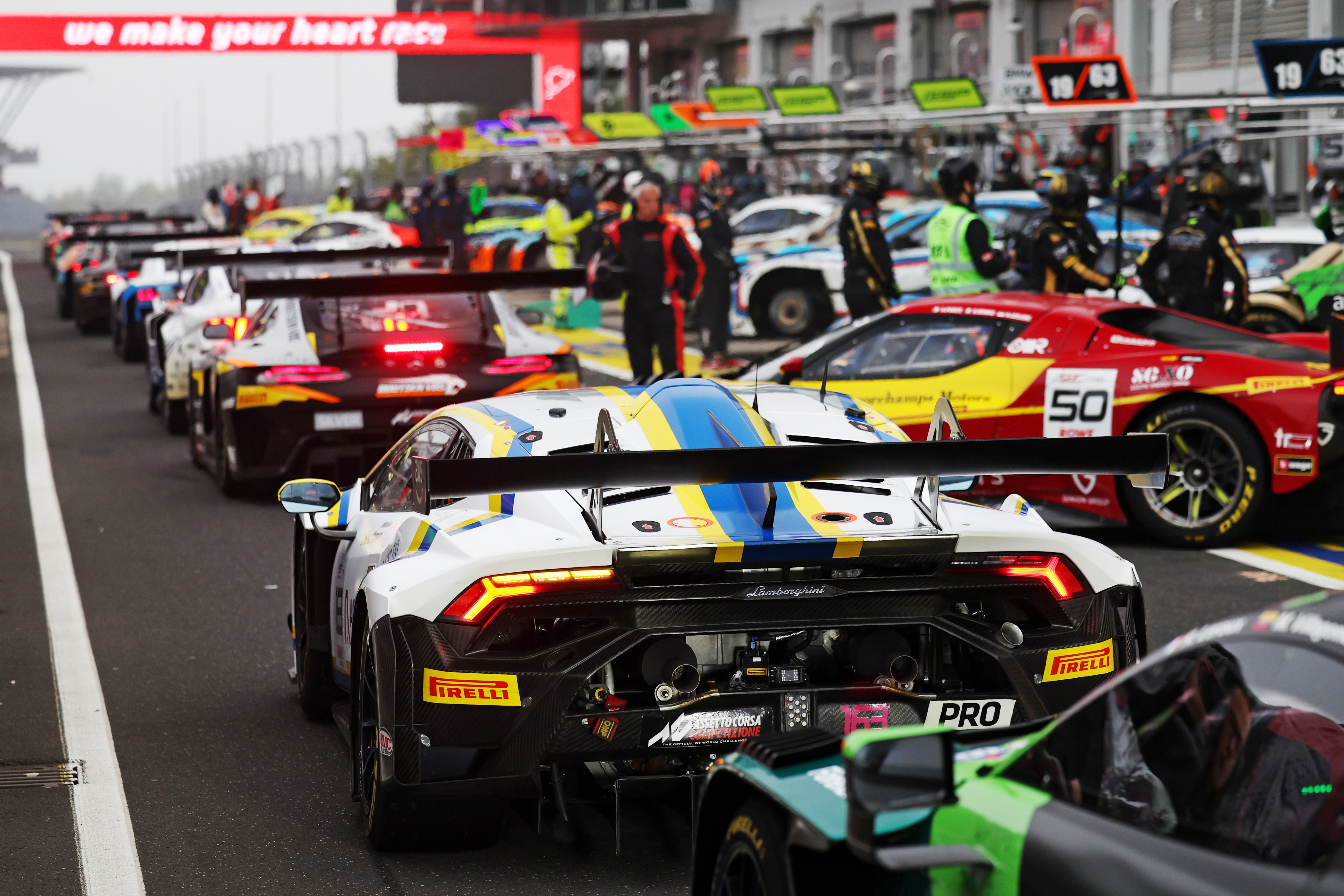
The basic format is effectively the same: three segments, with the aggregate time for each car establishing the grid. If you were wondering, this has been in place since 2018.
The change is that these segments will be split in two, with 10 minutes for the Silver Cup and Bronze Cup (Group A) and 10 minutes for the Pro and Gold Cup runners (Group B). Q1A and Q1B will run back-to-back, followed by a five-minute break; the same format continues for Q2A and Q2B, and finally Q3A and Q3B.
Free Practice 2 replaces Pre-Qualifying
Another format change this season sees Pre-Qualifying become Free Practice 2. In practical terms this means there will no longer be restrictions on what teams can do during the session, such as refuelling. At Endurance Cup events, both FP1 and FP2 will run for 90 minutes.
Despite the change of name, FP2 may still be used to set the grid if qualifying is cancelled. The stewards also have the option of using the times from FP1 if necessary.
But some things never change...
From this weekend's opener at Circuit Paul Ricard to the finale at Portimão, every race this season will be streamed live on the GT World YouTube channel. You can also watch selected Free Practice and Qualifying sessions, as well as live onboards and plenty of other content. This is available to enjoy entirely free and with no regional restrictions.
Click here for more information.